Lodhi Samaj Scholarship Test Result Out 2026

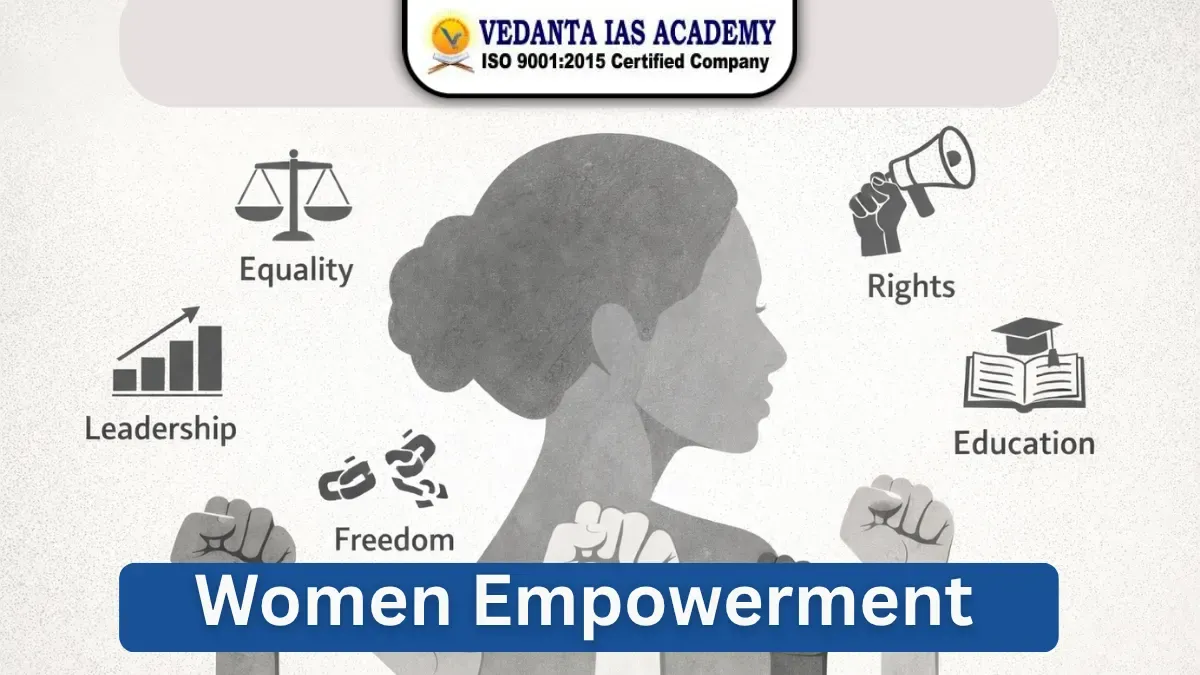

The issue of women empowerment is a highly significant one in the modern world. What is women empowerment, its meaning, and how it functions in practice are some of the questions many students and readers tend to search for.
We will get to know it in a very simple step by step. This would not only be significant in the knowledge but also in exams such as the UPSC.
Women empowerment means giving women the power to live their life with freedom, respect, and equal rights.
In simple terms, it means:
For example, if a woman can choose her career or start her own business, she is empowered.
The concept of women empowerment is based on equality. It means women and men should have equal chances in every field.
It focuses on:
This is important because society cannot grow if half of its population is left behind.
Now let’s see why women empowerment is so important.
For example, when a woman is educated, she educates her children too. This creates a better future for society.
You can also read our guide on the importance of education in society to understand this better.
India’s Constitution gives strong support to women empowerment. These provisions ensure equality and protection.
These rights make sure women are treated equally in society.
These guide the government to make policies for welfare.
These help in improving women’s work life and safety.
Women are given reservation in local bodies like:
This helps women take part in decision-making and leadership.
Check our detailed article on Indian Constitution important articles for UPSC for deeper understanding.
Apart from constitutional rights, many laws protect women in India.
Important laws for women
These laws aim to provide safety and dignity to women.
Role of judiciary and enforcement
Courts ensure that these laws are followed. If any woman faces injustice, she can go to court for help.
Strong law enforcement builds trust and supports empowerment.
Women empowerment has different dimensions. Let’s understand each one.
1. Social empowerment
This means giving women equal respect in society.
It includes:
Example: A girl getting the same education as a boy.
2. Economic empowerment
Economic empowerment means financial independence.
It includes:
For example, schemes like PM Mudra Yojana help women start businesses.
3. Political empowerment
This means women take part in politics and decision-making.
Examples:
4. Educational empowerment
Education is the base of all empowerment.
It helps women:
You can also read our guide on the role of education in women empowerment.
5. Psychological empowerment (extra understanding)
This means building confidence and self-belief in women.
When women feel confident, they can make strong decisions in life.
Even today, many problems stop women from achieving full empowerment.
1. Gender discrimination
In many places, women are treated unequally.
Examples:
2. Lack of education
Many girls, especially in rural areas, do not get proper education.
Without education, growth becomes difficult.
3. Violence against women
Issues like:
These create fear and limit freedom.
4. Economic dependency
Many women depend on family members for money.
Without financial independence, decision-making power becomes weak.
5. Social norms and traditions
Old beliefs sometimes restrict women.
Examples:
6. Lack of awareness
Many women are not aware of:
Awareness is the first step towards empowerment.
7. Digital divide (modern challenge)
In today’s world, digital knowledge is important. But many women don’t have access to:
This creates a new type of inequality.
Now we clearly understand what is women empowerment, along with its constitutional support, dimensions, and challenges.
Women empowerment means giving women equal rights, respect, and opportunities in all areas of life. India’s Constitution and laws strongly support this, but real change still needs effort.
We need:
In simple words, women empowerment is not just a social goal. It is a necessary step for building a strong and developed nation. When women move forward, the whole country grows
No comments yet. Be the first to comment!