Lodhi Samaj Scholarship Test Result Out 2026

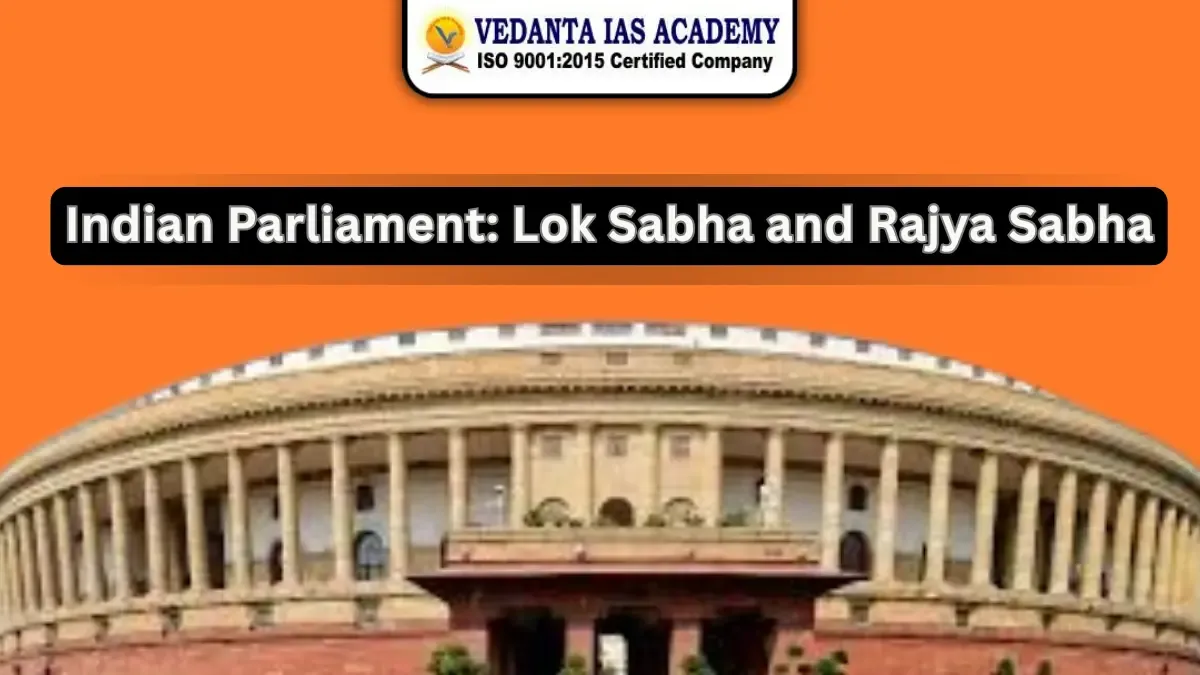
Lok Sabha and Rajya Sabha Indian Parliament is the center of Indian democracy and key laws and decisions of the nation are formulated there. It is divided into three branches- President of India, Lok Sabha and Rajya Sabha. Lok Sabha is called the House of the People since the members of this House are directly elected by the people and therefore it acts as the representative of the people. It is a major part in lawmaking, budgeting and checking the government.
Rajya Sabha, on the other hand, is called the Council of States. Its members are not directly elected but rather through representatives of the states and it works on the interests of various states. Rajya Sabha is a permanent house and is never dissolved which is seen to bring a sense of stability in governance as opposed to Lok Sabha.
The two houses collaborate to debate, discuss and approve bills to be enacted into laws. This is termed as a bicameral legislature. It guarantees a rightful debate and does not make decisions in haste. Simply put, Lok Sabha represents the people and Rajya Sabha represents the states and collectively they contribute towards the establishment of balanced laws in the country.
Now let’s understand its structure.
President of India
The President is an important part of Parliament. A bill becomes a law only after the President signs it.
Lok Sabha
Lok Sabha represents the people. Members are directly elected by citizens.
Rajya Sabha
Rajya Sabha represents the states. Members are elected indirectly.
This system is called a bicameral system, which means two houses. It helps in better discussion and balanced decisions.
Lok Sabha is known as the House of the People. It is the most important house.
Members are elected directly by the public through elections.
It can also be dissolved before 5 years if needed.
Let’s understand the key features of Lok Sabha in a simple way:
1. Directly Elected House
Members of Lok Sabha are chosen directly by the people of India through elections. This means it truly represents the voice of citizens.
2. Fixed Term of 5 Years
The term of Lok Sabha is 5 years. However, it can be dissolved earlier if the government falls or elections are called.
3. Can Be Dissolved
Unlike Rajya Sabha, Lok Sabha is not permanent. It can end before 5 years, and new elections are held.
4. Speaker Leads the House
The Speaker manages the meetings, maintains order, and ensures rules are followed during debates.
5. Represents the People
Lok Sabha reflects the will of the
These features make Lok Sabha very powerful in the system.
Lok Sabha has strong powers. Let’s see them one by one.
1. Money Bill Power
Money bills can only be introduced in Lok Sabha. Rajya Sabha has a limited role here.
2. Control Over Government
The government is responsible to the Lok Sabha. If the Lok Sabha passes a no-confidence motion, the government must resign.
3. Financial Power
The budget is presented and passed in the Lok Sabha. This gives it strong control over money matters.
Rajya Sabha is called the Council of States. It represents the states of India.
Members are not directly elected. They are chosen by elected members of state assemblies.
This means it is never dissolved.\
Now let’s understand the key features of Rajya Sabha:
1. Permanent House
Rajya Sabha is never dissolved. It continues to exist all the time, which gives stability to the system.
2. 6-Year Term for Members
Each member serves for 6 years. But every 2 years, one-third of members retire and new members are elected.
3. Indirect Election
Members are not elected directly by people. They are chosen by elected members of State Legislative Assemblies.
4. Vice President is Chairman
The Vice President of India acts as the Chairman and controls the proceedings of Rajya Sabha.
5. Represents States
Rajya Sabha gives representation to states. It ensures that state interests are protected at the national level.
Rajya Sabha also has important powers.
1. Legislative Power
It takes part in making laws. A bill must be approved by both houses.
2. Special Power
Rajya Sabha can allow Parliament to make laws on State List subjects.
3. Role in Amendments
It plays an equal role in constitutional amendments.
Now let’s clearly see the difference:
|
S. No. |
Feature |
Lok Sabha |
Rajya Sabha |
|
1 |
Type |
Lower House |
Upper House |
|
2 |
Election |
Direct |
Indirect |
|
3 |
Term |
5 years |
Permanent |
|
4 |
Dissolution |
Yes |
No |
|
5 |
Money Bill |
Full control |
Limited role |
You may wonder why we need two houses.
Here’s why:
This system ensures that no decision is taken in a hurry.
The Indian Parliament: Lok Sabha and Rajya Sabha, Differences, Features and Powers is a key topic for UPSC preparation. If your basics are clear, you can solve many questions easily. Focus on understanding concepts, not just memorizing. Revise regularly and connect topics with current affairs. Step by step, you’ll improve and move closer to your goal.
Q1. What is the Indian Parliament?
Ans. It is the law-making body of India made up of Lok Sabha, Rajya Sabha, and the President.
Q2. Which house is more powerful?
Ans. Lok Sabha is more powerful, especially in money matters.
Q3. What is the term of Lok Sabha?
Ans. It is 5 years unless dissolved earlier.
Q4. Is Rajya Sabha permanent?
Ans. Yes, it is a permanent house and never dissolved.
Q5. Who is the Chairman of Rajya Sabha?
Ans. The Vice President of India is the Chairman
No comments yet. Be the first to comment!