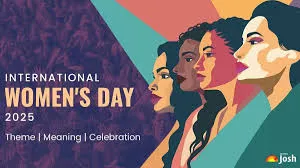
Women Empowerment in India 2025 Perspective

Women Empowerment in India (2025 Perspective) – UPSC Notes
Women empowerment in India has become one of the strongest social transformations of the 21st century. By 2025, India stands at a turning point where women are contributing actively in governance, economy, entrepreneurship, defence, digital innovation, and social development.
For UPSC aspirants, this topic is extremely important in GS-1 (Indian Society), GS-2 (Governance), GS-3 (Economy, Social Justice) and Essay paper.
Women empowerment simply means allowing women to have equal rights, equal opportunities, and equal voice in all areas of life—social, economic, political, educational, and personal.
Women Empowerment in India: 2025 Status Overview
-
Rising Female Education
-
India’s female literacy rate is steadily improving.
-
More girls are enrolling in higher education, STEM fields, and professional courses.
-
-
Increasing Workforce Participation
-
Women-led startups are becoming more common.
-
Schemes like Mudra, Stand-Up India, and SHG-based entrepreneurship have boosted rural women’s economic roles.
-
-
Stronger Legal Protection
-
Laws on safety, workplace protection, maternity benefits, and domestic violence have strengthened women’s rights.
-
-
Digital Empowerment
-
Internet access, mobile banking, and digital skill training programs have opened new opportunities for women, especially in rural areas.
-
-
Political Representation
-
With the Women Reservation Bill (2023), India is moving towards 33% reservation in Parliament & State Assemblies (expected implementation post-delimitation).
-
Constitutional Provisions for Women's Empowerment
The Constitution of India provides strong support to protect and uplift women:
-
Article 14 – Equality before law
-
Article 15(3) – State may make special provisions for women and children
-
Article 16 – Equal opportunity in public employment
-
Article 39(a) – Equal right to livelihood
-
Article 42 – Just working conditions and maternity relief
-
Article 51A(e) – Renounce practices derogatory to women
These form the backbone for all women-related laws and welfare schemes in India.
Government Schemes for Women Empowerment (2025)
1. Beti Bachao Beti Padhao (BBBP)
Focus on girls’ education, reducing gender discrimination, improving sex ratio.
2. Mahila Shakti Kendra
Skill development, capacity building, and community participation for women.
3. PM Ujjwala Yojana
Clean cooking fuel for safer and healthier homes.
4. One Stop Centre Scheme
Immediate support for women facing violence.
5. Mahila E-Haat
Digital marketplace promoting women entrepreneurs.
6. MUDRA & Stand-Up India
Loan support for women-led micro and small businesses.
7. Mission Shakti (SAMARTHYA & SAMBAL components)
Strengthens institutional support for women safety and empowerment.
8. Nari Adalat (2024 onward implementation)
Decentralised grievance redressal at village level.
Dimensions of Women Empowerment in India
1. Social Empowerment
-
Improved access to education and healthcare
-
Breaking societal stereotypes
-
Increasing awareness about rights
-
Growth of self-help groups
2. Economic Empowerment
-
Access to credit, jobs, skill training
-
More women joining the gig economy
-
Rise of women entrepreneurs and MSMEs
-
Growing participation in digital commerce
3. Political Empowerment
-
33% reservation in local bodies through the Panchayati Raj system
-
Women Reservation Bill 2023 (yet to be operationalized)
-
Growing number of female leaders in Parliament, bureaucracy, and diplomacy
4. Legal Empowerment
-
Protection from gender-based violence
-
Stronger laws on workplace safety & maternity rights
-
Fast-track courts for women-related crimes
5. Technological Empowerment
-
Online education
-
Digital payments
-
Mobile-based entrepreneurship
-
Telemedicine access
-
Digital literacy missions
Key Challenges to Women Empowerment in India (2025)
Despite progress, major issues remain:
-
Low Female Labour Force Participation
-
Safety concerns & gender-based violence
-
Patriarchal mindset & social norms
-
Digital divide in rural India
-
Health challenges—anaemia, nutrition gaps
-
Unequal housework burden
-
Early marriage in certain regions
These challenges need multi-dimensional solutions.
Case Studies & Success Stories
1. Self-Help Group Revolution
Women SHGs under NRLM have transformed rural livelihoods and given economic independence to lakhs of women.
2. Women in Defence Forces
Today, women are fighter pilots, commanders, and serving in various defence roles that were earlier male-dominated.
3. Women-led Startups
India has seen a rapid rise in women-led companies in tech, fashion, agriculture, and digital services.
4. Digital Saksharta Initiatives
Many NGOs and government programs are training rural women in basic digital skills.
Way Forward (UPSC Perspective)
-
Enhance female workforce participation
-
Strengthen safety measures and law enforcement
-
Promote STEM education for girls
-
Support women entrepreneurs with easy credit
-
Ensure digital access & affordable internet
-
Encourage shared household responsibilities
-
Increase political representation through timely implementation of reservation
Women empowerment must shift from welfare → capability building → leadership.
Conclusion
Women empowerment in India is not just a constitutional promise — it is the foundation of a modern, progressive, and equal society. As India moves toward becoming a developed nation by 2047, empowering women socially, economically, politically, and digitally will play a crucial role.
In 2025, India is witnessing a new era where women are taking leadership roles, breaking stereotypes, and contributing to national development at every level.
0 Comments
No comments yet. Be the first to comment!
Reply to this Post
Newsletter
Letest Posts
Basic Guide to Start Preparation for IAS & IPS
UPSC | 1 months ago
CSAT Preparation Time Table for UPSC 2026 – 30 / 60 / 90 Day Plan
UPSC | 1 months ago
How to Clear CSAT in First Attempt
UPSC | 1 months ago