New Batch Starting: 22 October 2026
Home
Our Courses
Basic Foundation Batch
New Foundation Batch
Target Batch
Prelims Test Series
Mains Test Series
Mentorship Programme
Prelims Batch
CSAT
Optional Courses
Study-materials
Live Courses
Recorded Lectures
Demo Videos
Blog
Online Registration
Current Affairs
Prelims Current Affairs
Mains Current Affairs
UPSC Exam
UPSC Attempts
UPSC Full Form
UPSC Syllabus
UPSC Eligibility
UPSC Age Limit
UPSC Prelims Exam
UPSC Mains Exam
UPSC Interview
UPPCS
Test Series
Toppers
Contact Us
Scholarship Test
VSAT Scholarship-Test
VSAT Answer Key
×
Blog not found. Invalid ID or category.
0 Comments
No comments yet. Be the first to comment!
Reply to this Post
Post Comment
Newsletter
Subscribe
Letest Posts
UPSC CSE 2027 Preparation Strategy: Complete Study Plan for Beginners
UPSC | 2 months ago
UPSC Mains Answer Writing Strategy: Step-by-Step Guide with Format & Daily Practice
UPSC | 3 months ago
UPSC Mains Admit Card 2026: Direct Link & Download Guide
UPSC | 3 months ago
UPSC Mains 2026 Exam Date, Syllabus, Time Table, Schedule
UPSC | 4 months ago
UPSC Mains 2026 Application Form: How to Fill Online Step-by-Step Guide
UPSC | 4 months ago
UPSC Mains Syllabus 2026: All 9 Papers Explained with Free PDF Download
UPSC | 4 months ago
UPSC Prelims 2026 Result Out: 13,343 Candidates Qualify for UPSC Mains
UPSC | 4 months ago
S-400 Air Defence System Explained: Impact on India’s Strategic Sovereignty
UPSC Current Affairs | 5 months ago
UPSC Prelims 2026 Result Out Soon: Expected Date & PDF Download
UPSC Current Affairs | 4 months ago
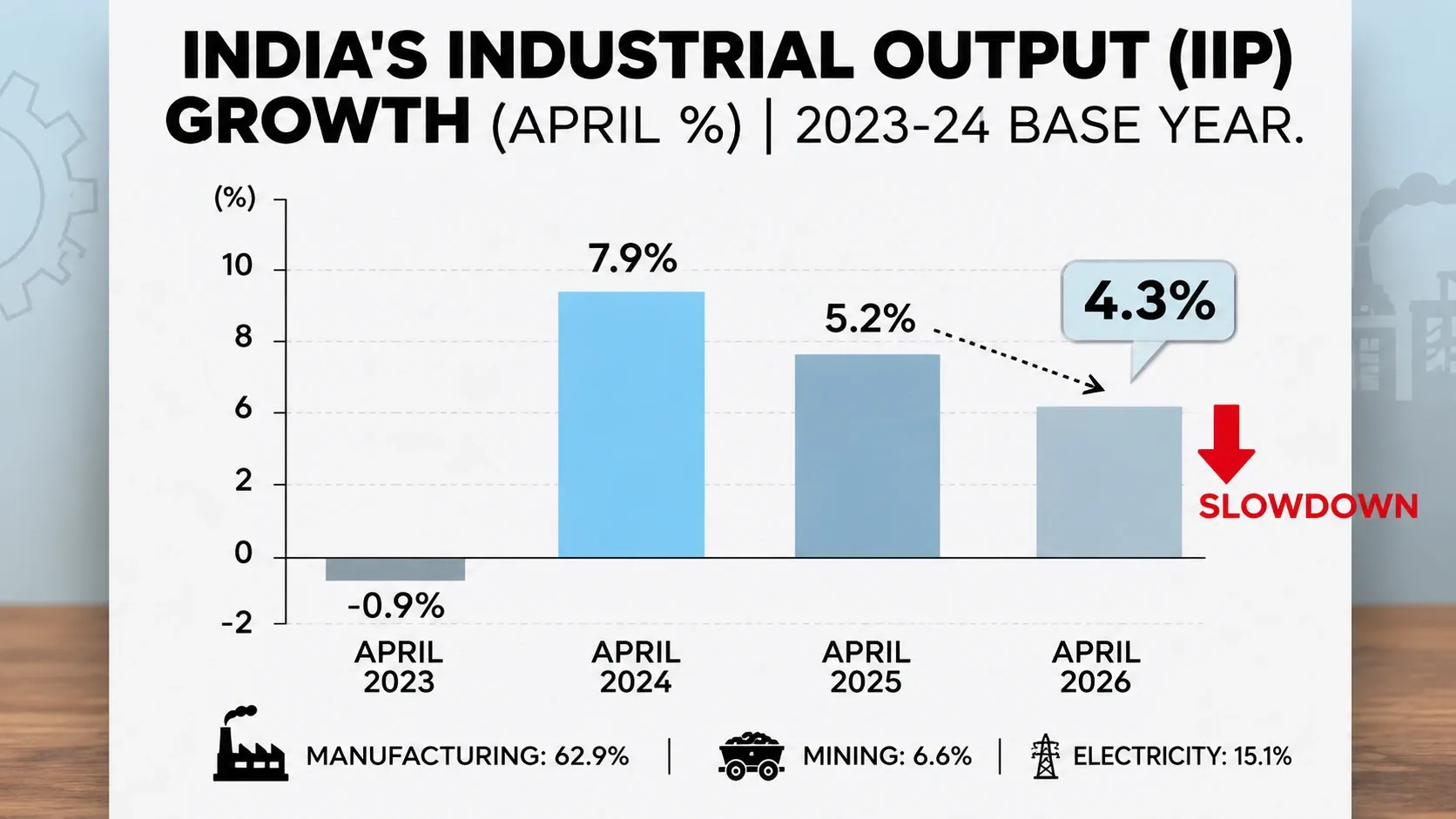
Index Rebasement and Index of Industrial Production (IIP): Key Points , Impact and Way Forward
UPSC Current Affairs | 5 months ago
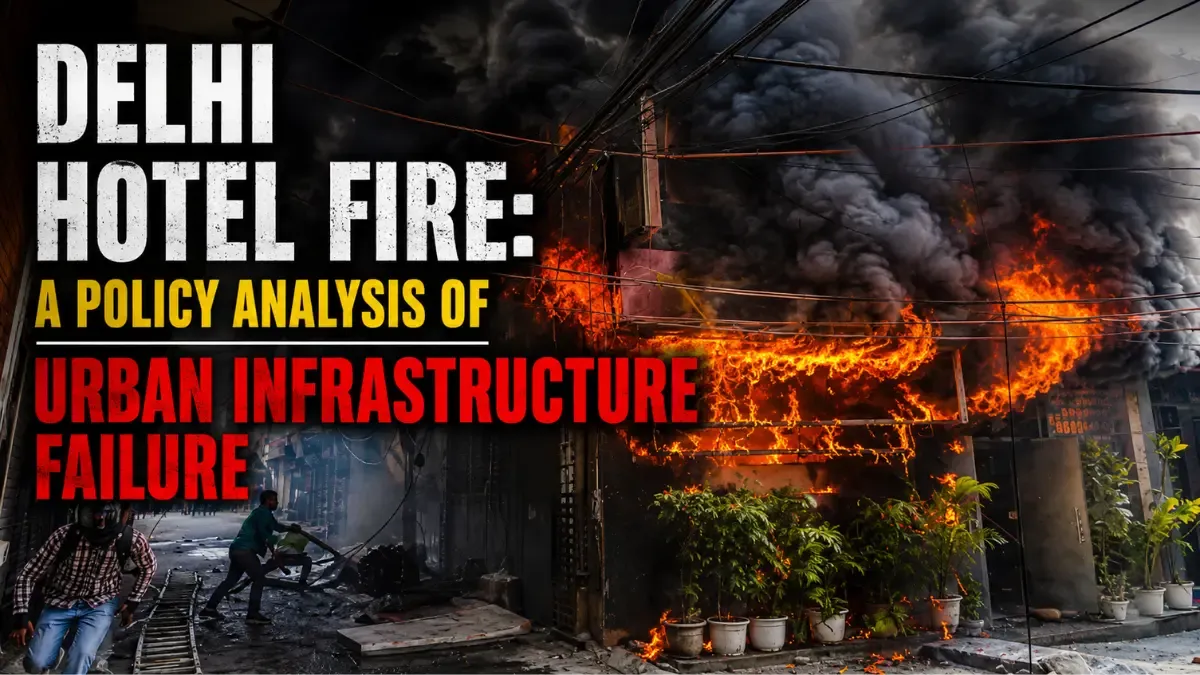
Delhi Hotel Fire: Governance Challenges, Infrastructure Deficits and the Way Forward
UPSC Current Affairs | 5 months ago
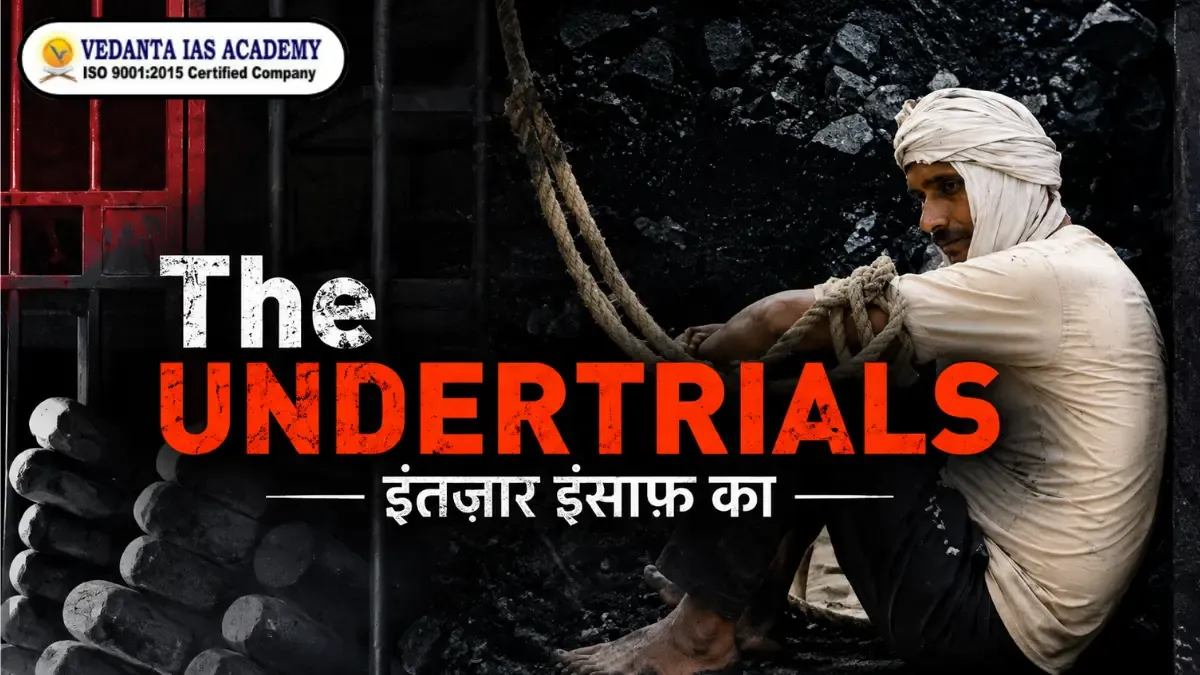
Overcrowding of Prisons and Undertrials in India: Analysis of Governance, Jurisprudence and Ethics
UPSC Current Affairs | 5 months ago
Illicit Liquor Tragedy and Regulatory Failure: A Deepening Public Health Crisis
UPSC Current Affairs | 5 months ago
Slowdown in Index of Industrial Production (IIP): Technical Changes of New Series, Challenges and Way Forward
UPSC Current Affairs | 5 months ago
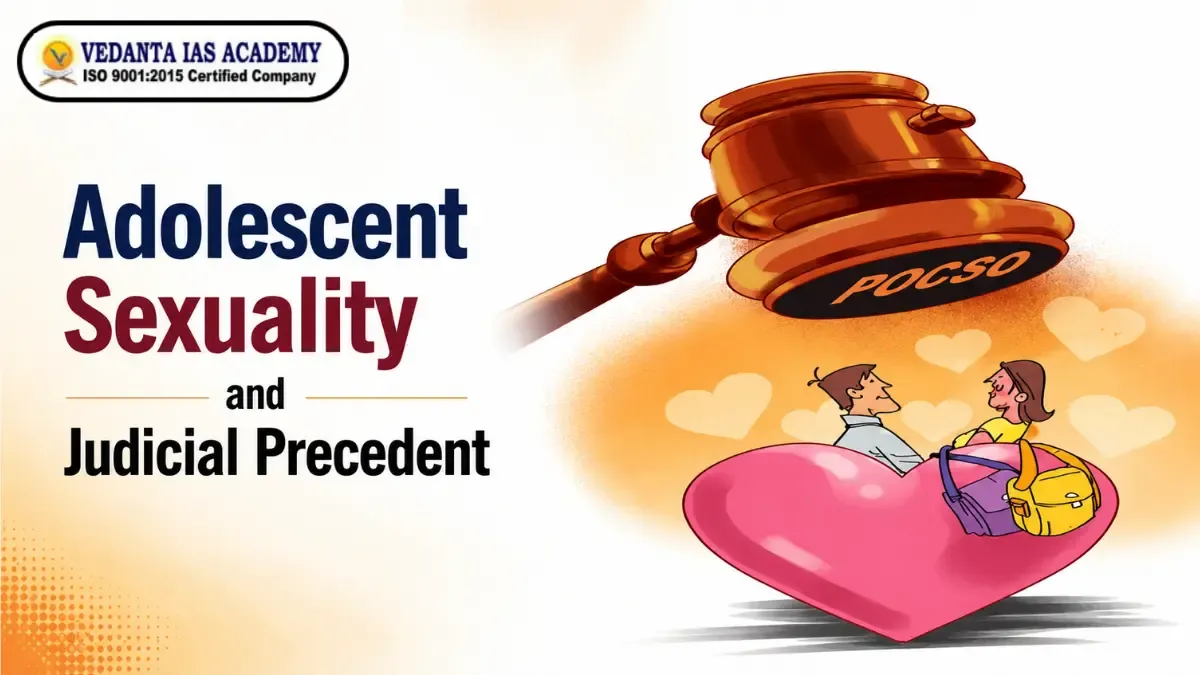
Adolescent Sexuality and Judicial Precedent
UPSC Current Affairs | 5 months ago